
Every real estate advertisement in Dubai must carry an approved permit before it goes live. DLD's Real Estate Ad Permit — issued through the authority's e-services portal — covers online listings, print ads, social media posts and billboards, and each approved ad must display a unique permit number. Developers, brokers and property owners who advertise without one risk compliance action. Here is how the permit works and what DLD checks before approving.
What the real estate advertisement permit is
The Real Estate Ad Permit is the approval behind Dubai's real estate advertising rules. It is issued through the Real Estate Ad Permit e-service on dubailand.gov.ae, and it is the mechanism DLD uses to check that an advertisement is accurate, that the advertiser is licensed, and that the property being marketed is genuine. The permit governs the marketing itself — it sits on top of, and is separate from, the underlying property approvals such as the title deed, off-plan sales permit or tenancy registration.
Who needs an advertisement permit
The permit applies to anyone who publishes property marketing in Dubai. In practice that means:
- Developers running off-plan campaigns for projects under construction.
- Brokers and agents advertising resale properties or rental listings on portals, social media and in print.
- Property owners who market their own unit or villa, including landlords advertising a rental.
- Anyone placing property billboards or signage that promotes a sale or lease.
What the permit covers in practice
RERA — Dubai Land Department's regulatory arm — enforces the advertising rules. Each advertisement, whatever the channel, needs a unique permit number that must be visible on the ad itself. That applies across the board:
- Online listings and portals — the permit number appears on the listing.
- Print and newspaper advertising — the ad carries the permit number.
- Social media posts promoting a property for sale or rent.
- Billboards and signage that advertise property.
Because the number has to be displayed, a viewer can check an advertisement against DLD's records — which is exactly why the permit exists. It makes unlicensed or misleading marketing easy to spot, for the buyer and for the regulator.
How to apply for a real estate advertisement permit
The application runs through DLD's Real Estate Ad Permit e-service. The exact fields depend on the property and who is advertising, but the sequence follows the same shape:
- Log in to DLD's e-services portal and open the Real Estate Ad Permit service.
- Select the advertising party — developer, broker or owner — and provide the licence or registration details.
- Enter the property details and upload the advertisement copy or listing content for review.
- Pay the permit fee and submit the application.
- Receive the permit with its unique number, and display that number on the advertisement when it goes live.
What DLD checks before approving an advertisement
DLD's review is about trust in the market — the checks confirm the advertiser is licensed and the property is real:
| Check | What DLD verifies |
|---|---|
| Advertiser licence | The developer's RERA registration or the broker's valid RERA card |
| Property ownership | Title deed for resale; registered project and off-plan sales permit for off-plan; Ejari for rental listings |
| Advertisement accuracy | Price, size, location and claims match the registered property records |
| Permit display | The unique permit number is prepared to appear on the published advertisement |
DLD updates its systems and checklists as the market evolves, so confirm the current requirements inside the e-service before submitting an application.
Costs and timing
The advertising permit is priced per advertisement and is modest compared with the property value being marketed. The figures below are indicative — drawn from RERA's published requirements — so confirm the current fee in the e-service before budgeting a campaign:
| Item | Indicative figure | Notes |
|---|---|---|
| Advertising permit fee | AED 150–500 per advertisement | Per ad; varies with type and channel |
| Off-plan project registration | AED 100,000–200,000 per phase | Separate developer obligation, not the ad permit |
| DLD property registration | 3–7 business days | Typical processing for title-deed registration |
| Ejari registration | 1–3 business days | Typical for rental advertising paperwork |
Fees and timelines are indicative and change with DLD and RERA rules. Always confirm the current tariff against the Real Estate Ad Permit e-service before committing to a campaign.

How this fits your property paperwork
The advertisement permit sits on top of the property's underlying registration. For a resale, the title deed needs to be registered with DLD; for a rental, the tenancy contract needs to be in the Ejari system; for off-plan, the project needs its sales permit and escrow arrangement. Getting these in order first makes the advertising application straightforward. The Dubai Land Department registration page walks through the ownership side, and the Ejari registration requirements cover the tenancy paperwork.
This is why the permit matters to marketing teams as much as to lawyers. If the underlying record is out of date — the title deed still shows the previous owner, or the Ejari certificate has lapsed — the advertisement can be accurate and still fail review.
What to do now
- Confirm who is advertising — developer, broker or owner — and that the licence or registration is current.
- Pull the underlying document — title deed for resale, Ejari for rental, project permit for off-plan — before preparing the ad.
- Draft the advertisement copy from the registered record so price, size and location match.
- Apply through DLD's Real Estate Ad Permit e-service and budget for the per-ad fee.
- Display the permit number on the published ad and keep a record of each approved campaign.
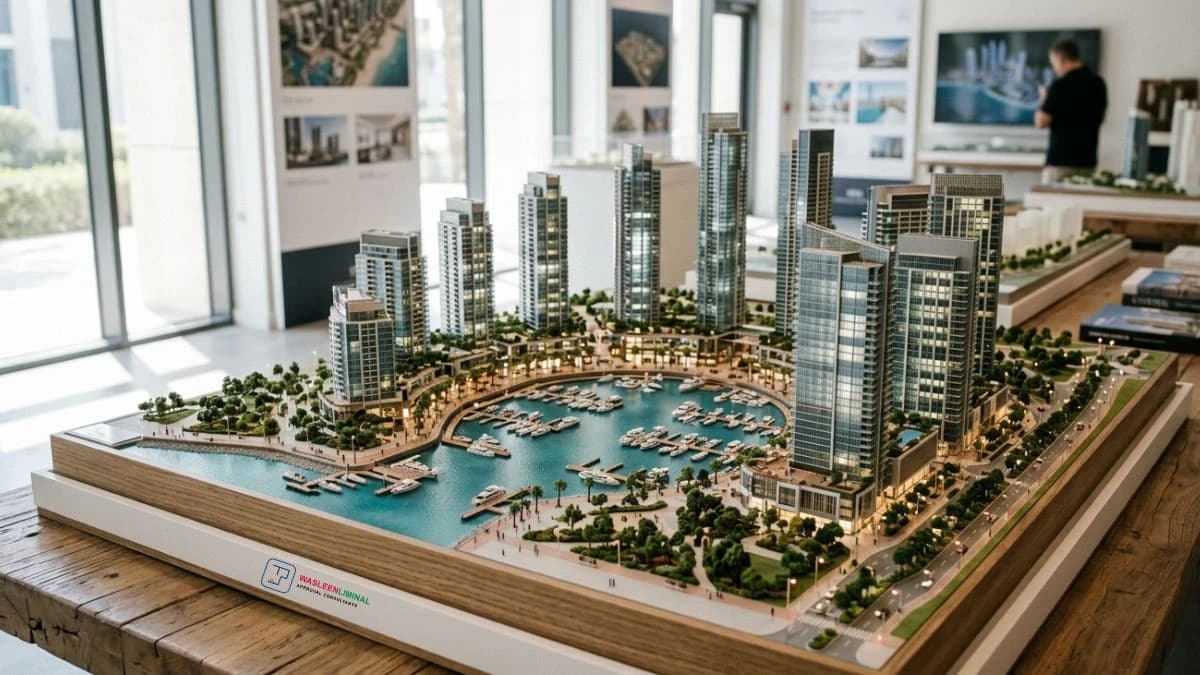
Dubai's real estate advertising rules exist to keep the market honest, and the Real Estate Ad Permit is the mechanism that makes that workable. For developers, brokers and owners the practical takeaway is simple: get the permit before the ad goes live, display the number, and keep the underlying registration — title deed, Ejari or off-plan permit — accurate. If a campaign is already running without one, or the paperwork behind a listing is out of date, fix the property registration first and bring the marketing back into line.
Frequently asked questions
What is the real estate advertisement permit in Dubai?
It is the approval DLD issues before any property advertisement is published, through the Real Estate Ad Permit e-service on dubailand.gov.ae. It covers online listings, print ads, social media posts and billboards, and each approved advertisement must display a unique permit number.
Who needs a real estate advertisement permit?
Anyone who publishes property marketing in Dubai — developers running off-plan campaigns, brokers and agents advertising resale or rental properties, and owners marketing their own unit or villa. The advertiser must hold a valid DLD or RERA licence or registration.
Do rental listings need a real estate advertisement permit?
Yes. Every property advertisement, including rental listings, needs an approved permit with a unique number displayed. For a rented property, the tenancy contract should be registered through Ejari so the listing details match the official record.
How much does a real estate advertisement permit cost?
The fee is indicative at AED 150–500 per advertisement, varying with the type and channel. Confirm the current fee inside the Real Estate Ad Permit e-service before submitting.
How do I apply for a real estate advertisement permit?
Through DLD's e-services portal. You select the advertiser type, provide the licence or registration details, enter the property information, upload the advertisement content, pay the fee and receive the permit with its unique number.
What happens if I advertise property without a permit?
Advertising without an approved permit exposes the advertiser to compliance action from DLD and RERA. Exact penalties change with the rules, so the safest approach is to obtain the permit — and display its number — before any advertisement goes live.